 | Register Now
Global conflicts can have a major impact on shipping routes, costs, and transit times. Here’s how current tensions are affecting imports and exports.
Recent developments involving Iran and wider regional tensions have highlighted how quickly shipping conditions can change. For businesses importing or exporting goods, these disruptions can lead to longer transit times, higher costs, and reduced reliability.
Understanding how these situations affect logistics helps businesses plan more effectively and avoid unexpected delays.
Shipping Routes Are Becoming Less Predictable
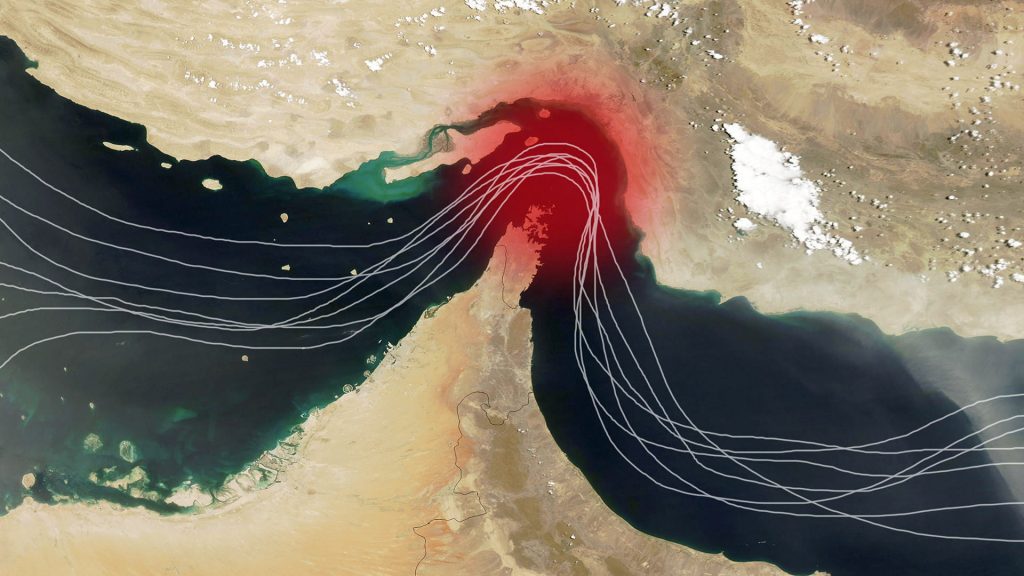
One of the biggest impacts of global conflict is disruption to key shipping routes. Areas such as the Middle East play a central role in global trade, particularly through critical routes like the Strait of Hormuz.
When tensions rise, vessels may be rerouted or delayed to avoid high-risk areas. This can increase transit times, especially for ocean freight, and reduce overall schedule reliability.
The International Maritime Organization continues to monitor these risks and their impact on global shipping routes:
Rising Costs Across Freight and Fuel
Disruptions to major trade routes often lead to increased fuel prices and higher freight costs. Carriers may introduce surcharges or adjust rates to account for longer journeys and added risk.
These changes can affect both import services and export services, particularly for businesses moving goods regularly.
As discussed in Freight Industry Trends for 2026: What Businesses Need to Prepare For, global uncertainty continues to influence shipping costs and availability.
Air Freight Capacity Can Be Affected
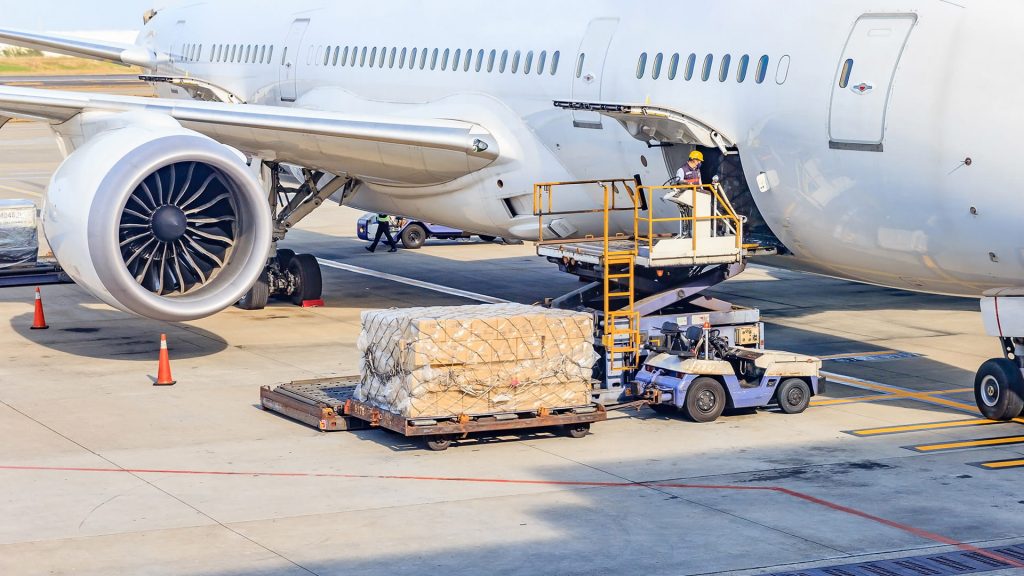
Conflicts do not only affect sea routes. Airspace restrictions and increased demand for alternative transport can reduce capacity for air import and air export shipments.
When capacity is limited, rates often increase and space becomes more difficult to secure. This can be particularly challenging for time-sensitive shipments.
Planning ahead becomes even more important in these situations.
Delays and Congestion Become More Likely
As shipments are rerouted or rescheduled, congestion can increase at alternative ports and transport hubs. This creates further delays, even for shipments not directly affected by the conflict.
Businesses may notice longer lead times or reduced reliability across their supply chain.
These types of disruptions are closely linked to the factors explored in How Seasonal Shipping Cycles and Weather Disruption Affect UK Importers, where route changes, demand, and external pressures all play a role
The Importance of Flexible Logistics Planning
In periods of uncertainty, flexibility becomes one of the most valuable aspects of logistics planning. Businesses that can adapt their shipping methods, routes, or schedules are better positioned to manage disruption.
Using freight forwarding services helps coordinate these changes, allowing shipments to continue moving even when conditions are less predictable.
Organisations such as the World Trade Organization also highlight how global events can influence trade flows and supply chain stability:
Final Thoughts
Global conflicts can have a significant impact on international shipping, affecting routes, costs, and transit times. While these disruptions cannot always be avoided, understanding their impact allows businesses to plan more effectively.
With the right preparation and flexible logistics support, businesses can continue to move goods efficiently even in uncertain conditions.
At Supreme Freight, we support businesses with Sea Freight, Air Freight, Road Freight, Customs Clearance, and Warehousing & Distribution services. If you would like guidance on your next shipment please contact us so we can help you.