 | Register Now
For many businesses, shipping seems simple once goods leave the supplier. However, a lot happens between arrival in the UK and final delivery to your warehouse.
Delays, additional costs, and unexpected issues often occur during this stage — not because something has gone wrong, but because the process itself involves multiple steps.
Understanding what happens along the way helps businesses plan more effectively and avoid unnecessary disruption.
1. Arrival at Port and Unloading
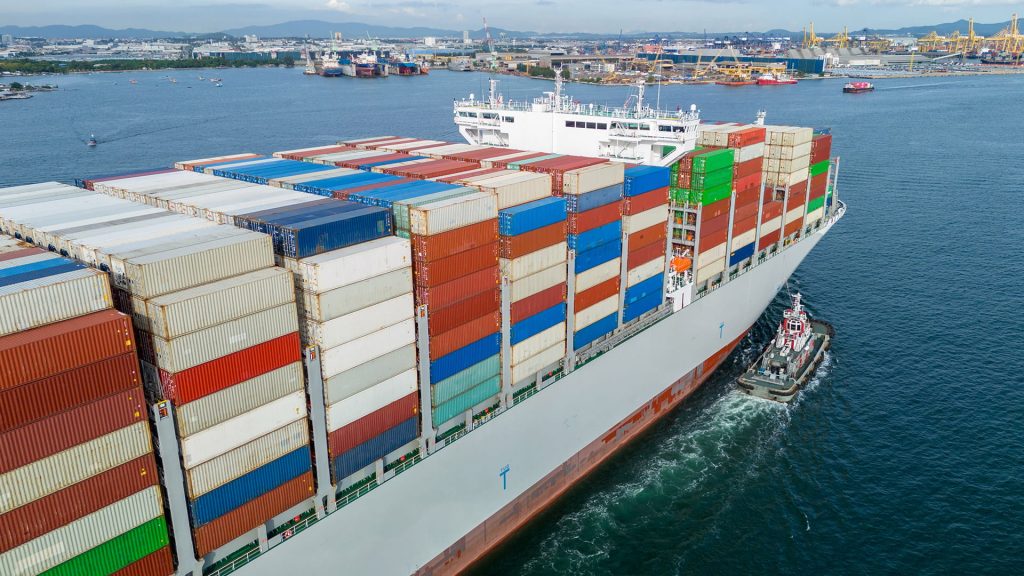
Once a shipment reaches the UK, it is unloaded at the port or airport and transferred into the relevant handling system.
At this stage, containers are processed and prepared for the next steps. While this may seem quick, delays can occur if there is congestion or high demand at the port.
This is particularly relevant for ocean freight, where vessel schedules and port capacity can affect timing.
2. Customs Declarations Are Reviewed
Before goods can enter the UK, customs authorities review the submitted documentation. This includes invoices, commodity codes, and shipment details.
Any errors in import documentation can result in queries or delays, even if the shipment itself is straightforward.
As explained in How to Import Goods into the UK: A Complete Guide for Businesses, accurate preparation at this stage is one of the most important factors in avoiding disruption.
HM Revenue & Customs also outlines how declarations must be completed correctly to prevent delays:
3. Customs Clearance Is Granted (or Delayed)
If everything is correct, customs clearance is granted and the shipment can move forward. If not, it may be held for further checks or inspection.
Delays at this stage are often caused by small issues such as incorrect codes, missing information, or inconsistencies in the paperwork.
Even when goods are ready to move, clearance must be completed before they can leave the port.
4. Containers May Be Selected for Inspection
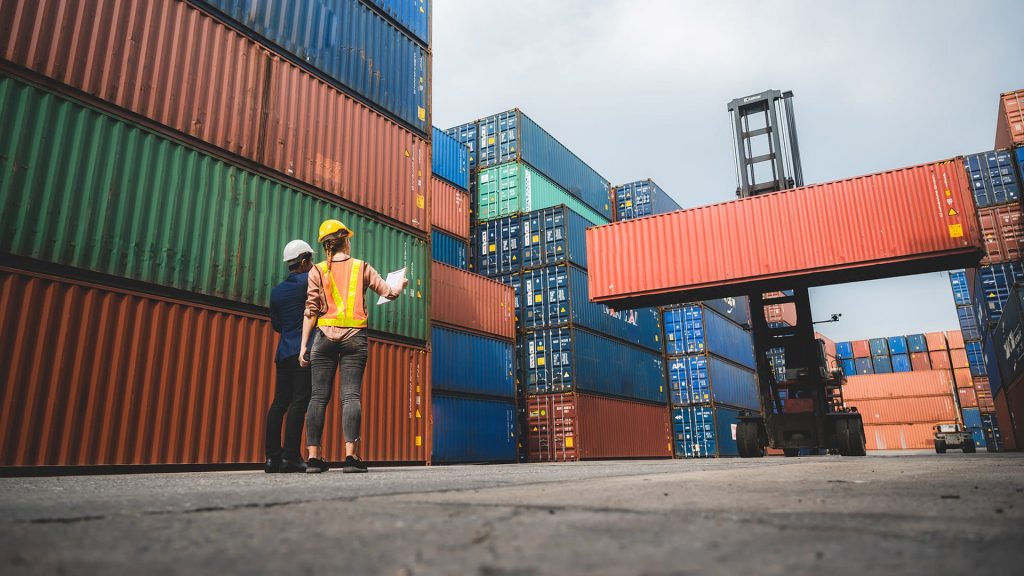
Not every shipment is released immediately. Some containers are selected for inspection as part of routine checks.
These inspections can add time to the process, even when everything is correct. They are a normal part of international trade and help maintain compliance and security.
The World Customs Organization explains how inspections are used to manage global trade risk:
5. Container Collection and Transport Booking
Once cleared, the container needs to be collected from the port and transported inland. This involves booking vehicles and coordinating schedules.
Using road import services ensures goods are moved efficiently from port to the next stage, whether that is a warehouse or distribution centre.
Availability of transport at this stage can affect how quickly goods move.
6. Container Devanning and Handling
In many cases, goods are not delivered directly in the container. Instead, they are unloaded and processed before final delivery.
Services such as container devanning allow goods to be sorted, checked, and prepared for onward movement. This step is important for businesses receiving multiple shipments or mixed cargo.
Efficient handling here helps avoid delays later.
7. Storage, Distribution, and Final Delivery
Before reaching the final warehouse, goods may be temporarily stored or prepared for distribution.
Using warehousing and distribution services allows shipments to be organised, consolidated, or dispatched efficiently to their final destination.
As discussed in Freight Industry Trends for 2026: What Businesses Need to Prepare For, modern logistics increasingly depends on coordination across multiple stages rather than just transport.
Final Thoughts
Getting goods to the UK is only part of the journey. From customs clearance to transport and handling, several stages take place before a shipment reaches its final destination.
By understanding these steps, businesses can plan more effectively, reduce delays, and keep their supply chains running smoothly.
At Supreme Freight, we support businesses with Sea Freight, Air Freight, Road Freight, Customs Clearance, and Warehousing & Distribution services. If you would like guidance on your next shipment please contact us so we can help you.