 | Register Now
When a typhoon hits parts of Asia, the immediate images are usually of heavy rain, strong winds and emergency warnings. For businesses importing goods into the UK, however, the disruption often continues long after the storm itself has moved on.
Ports may reopen, but vessel schedules, container availability, inland transport and warehouse operations can all take time to recover. This means a shipment can still be delayed even when the worst of the weather appears to be over.
For UK importers relying on goods from major Asian manufacturing hubs, understanding how typhoon disruption works can help reduce uncertainty, improve planning and avoid unnecessary pressure on delivery schedules.
Why Asian Typhoons Matter to UK Importers
Asia plays a major role in global manufacturing and exports. Many UK businesses source goods, components, machinery, consumer products and raw materials from countries across East and Southeast Asia.
When severe weather affects major port regions, the impact can spread quickly through international supply chains. Recent storms have shown how typhoon activity can disrupt transport well beyond the immediate weather event. Reuters reported that Typhoon Dolphin made landfall in China’s eastern Zhejiang province before its remnants drew tropical moisture inland, bringing heavy rain and flood risks across other regions.
For businesses using sea import services from Asia, disruption at origin can affect vessel departures, container loading, port cut-off times and onward schedules into the UK.
Port Closures Are Only the First Stage of Disruption
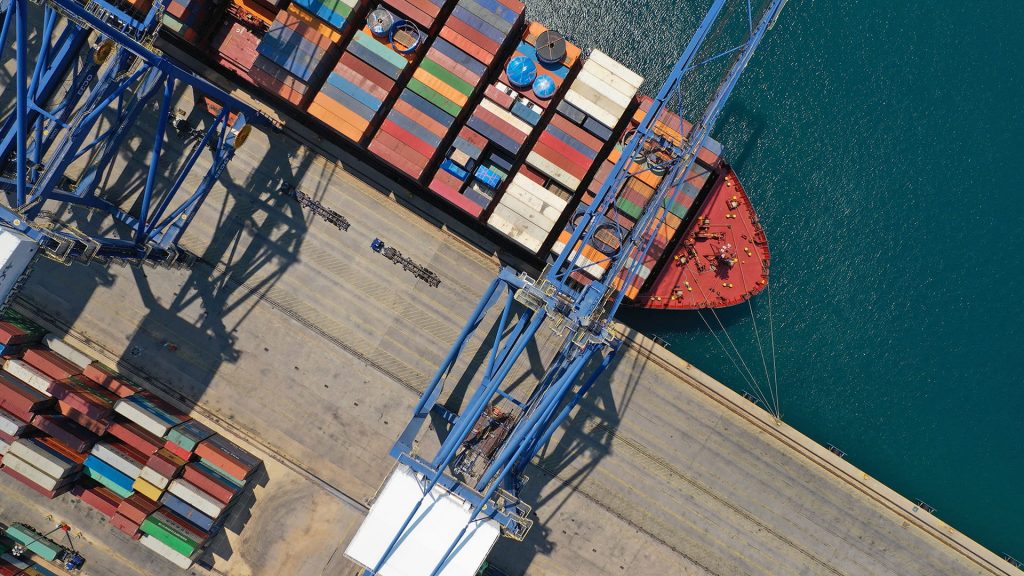
When a typhoon approaches, ports may temporarily suspend operations to protect workers, vessels and cargo. This can affect vessel berthing, terminal handling, container gates and trucking access.
A Maersk service update for Typhoon Bavi warned that Shanghai and Ningbo were expected to experience port closures and extended waiting times, showing how major export gateways can be affected during severe weather.
The challenge for importers is that the disruption does not end the moment a port reopens. Vessels may be waiting offshore, terminals may need to clear backlogs, and carriers may need to adjust schedules across several routes.
This is why a shipment originally delayed by a short weather closure can still arrive later than expected.
Backlogs Can Build Quickly
Ports operate on tight schedules. When operations stop for even a short period, containers continue to arrive, vessels wait for berths, and haulage appointments are missed.
Once the weather improves, terminals need to work through the backlog. This can create pressure on yard space, equipment availability and trucking capacity. In some cases, shipping lines may omit ports, adjust vessel rotations or roll containers onto later sailings.
For UK importers, this can affect the reliability of door-to-door import movements. A delay at the Asian port can then affect customs timing, UK delivery planning and warehouse availability.
These wider supply chain pressures are closely connected to the issues discussed in Freight Industry Trends for 2026: What Businesses Need to Prepare For.
Inland Transport Can Be Affected Too
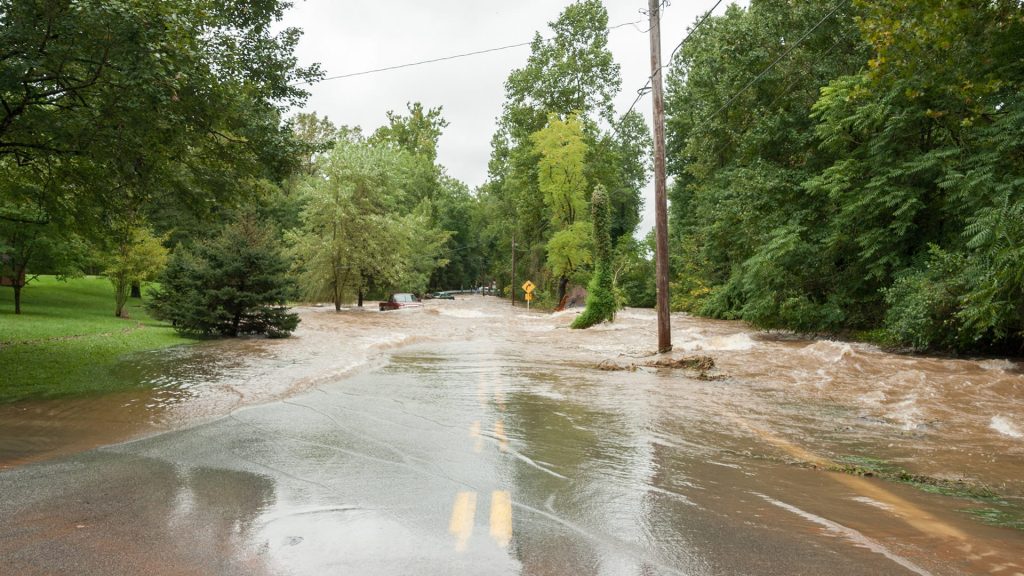
Typhoons do not only disrupt ports. Heavy rain, flooding and wind can affect roads, rail links, warehouses and distribution centres near manufacturing regions.
This matters because goods often need to move from factories to ports before they can be loaded. If roads are flooded, warehouses close temporarily or trucking availability is reduced, cargo may miss its intended sailing even if the vessel eventually departs.
For importers, this is one of the most frustrating parts of weather disruption. The shipping line may still operate, but the goods may not reach the terminal in time.
Where goods are time-sensitive, businesses may need to consider whether air import is appropriate. However, air freight can also be affected by weather, airport disruption and capacity pressure, so it should be planned carefully rather than treated as an automatic solution.
Documentation Timing Still Matters During Weather Delays
During severe weather, documentation can become even more important. If a shipment is delayed, rolled or moved to a different sailing, paperwork may need to be checked again to ensure dates, references and transport details remain aligned.
Accurate import documentation helps reduce the risk of further delays once goods arrive in the UK. When weather has already disrupted the schedule, the last thing importers need is an avoidable paperwork issue adding another layer of delay.
This is especially important for shipments requiring certificates, licences or more detailed product information. The broader preparation process is explored in How to Import Goods into the UK: A Complete Guide for Businesses.
UK Arrival Planning Can Be Knocked Out of Sequence
A delayed departure from Asia does not simply shift the arrival date. It can affect the entire UK-side plan.
Customs clearance arrangements, road import bookings, warehouse receiving slots and onward distribution may all need to be adjusted. If the shipment arrives later than expected, the receiver may not have space, staff or equipment ready at the new delivery time.
For containerised goods, container devanning may also need to be rescheduled. Where stock needs to be held temporarily, warehousing and distribution can help reduce pressure while businesses reorganise onward delivery.
In this sense, the real impact of a typhoon is not only the initial delay. It is the number of connected decisions that need to be adjusted afterwards.
What Importers Should Avoid During Typhoon Disruption
When severe weather affects Asian shipping lanes, importers should avoid making overly tight delivery promises based only on the original sailing schedule. Storm-related disruption often creates rolling delays, meaning the first revised date may not be the final one.
It is also risky to assume that a port reopening means normal service has resumed. Terminals may still be congested, carriers may still be adjusting schedules and container availability may remain uneven for several days or longer.
Importers should also avoid leaving customs and delivery arrangements until the shipment is close to arrival. Early preparation gives more time to adapt if the vessel schedule changes.
How Better Planning Helps Reduce the Impact
No freight plan can prevent a typhoon, but better planning can reduce the commercial impact.
Importers should build realistic time buffers into shipments moving during typhoon season, especially where goods are coming from exposed coastal regions. They should also keep suppliers informed, check port updates regularly and confirm whether cargo has actually reached the terminal before assuming it will sail.
For higher-value or sensitive goods, marine insurance may also be worth reviewing. Insurance will not prevent weather delays, but it can help protect the value of goods if loss or damage occurs during transit.
Working with an experienced freight partner can also improve visibility across the full journey, from supplier collection and port handling to UK customs and final delivery.
Conclusion
Typhoon disruption in Asia can delay UK imports long after the storm itself has passed. Port closures, vessel backlogs, missed cut-offs, inland transport delays and rescheduled UK delivery arrangements can all affect the final arrival date.
For importers, the best response is preparation rather than panic. By allowing realistic timeframes, keeping documentation accurate, monitoring port conditions and coordinating UK-side delivery early, businesses can reduce avoidable disruption and keep supply chains moving more smoothly.
At Supreme Freight, we support businesses with Sea Freight, Air Freight, Road Freight, Customs Clearance, and Warehousing & Distribution services. If you would like guidance on your next shipment please contact us so we can help you.