 | Register Now
Importing goods into the UK can open up valuable opportunities for businesses, whether you are sourcing raw materials, finished products, or specialist equipment. However, the import process can also feel complex, particularly when it comes to customs rules, documentation, and managing delivery once goods arrive.
This guide explains how importing into the UK works, what businesses need to consider, and how working with an experienced freight forwarder can help shipments move smoothly from origin to final destination.
Understanding the UK Import Process
At its core, importing goods into the UK involves moving cargo from an overseas supplier through customs and into the domestic supply chain. While the concept is simple, the execution requires careful planning.
Most imports follow the same broad steps:
- - Goods are collected from the supplier
- - Transport is arranged by sea, air, or road
- - Customs declarations are submitted
- - Duties and VAT are accounted for
- - Goods are released and delivered or stored
Each stage requires accurate information and coordination. Delays at any point can lead to additional costs or disruption further down the line.
Businesses importing from Europe may already be familiar with some of these steps, but regulatory changes in recent years mean that processes continue to evolve. For more background on this, our blog on Adapting to Changing UK–EU Trade Conditions provides helpful context.
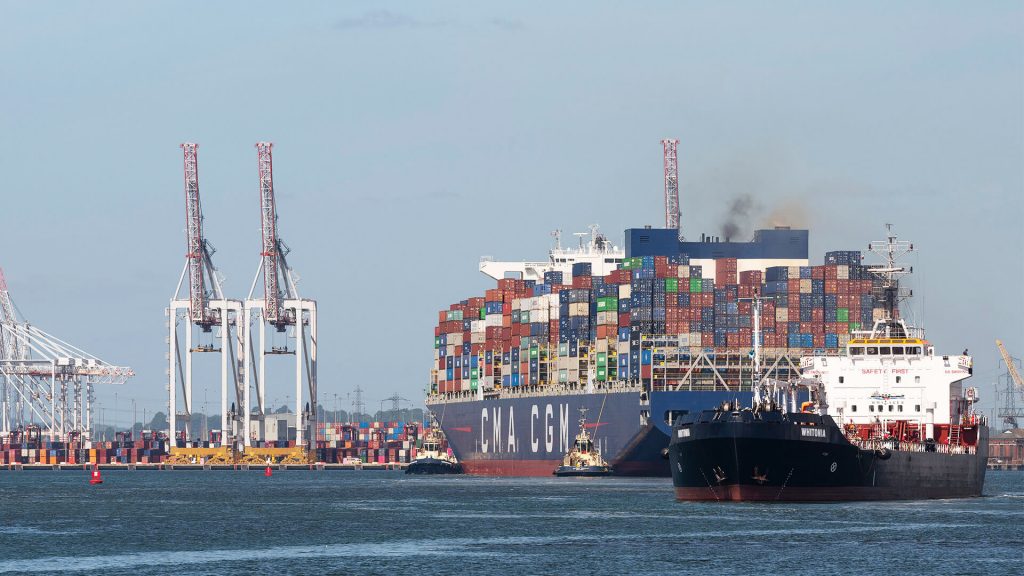
Documentation and Compliance Requirements
One of the most important aspects of importing goods into the UK is documentation. Customs authorities rely on accurate paperwork to assess risk, calculate duties, and determine whether goods can be released.
Typical documents include:
- - Commercial invoices
- - Packing lists
- - Transport documents
- - Import declarations
Mistakes in classification, valuation, or origin can result in delays or penalties. This is why many businesses choose to work with specialists offering Customs Clearance and Import Documentation services, ensuring declarations are submitted correctly and on time.
If your business regularly imports goods, having a reliable customs partner can significantly reduce administrative burden and risk.
Choosing the Right Transport Method
The best transport option depends on the nature of the goods, urgency, and budget.
- - Sea Import is the most cost-effective solution for large or heavy consignments.
- - Air Import is ideal for urgent or high-value goods.
- - Road Import works well for European movements and time-sensitive deliveries.
In many cases, a freight forwarder will recommend a multimodal solution that balances cost, speed, and reliability. Understanding these options helps businesses make informed decisions and avoid unnecessary expense.
Managing Duties, VAT, and Cash Flow
Importing goods into the UK involves paying customs duty and import VAT. For some businesses, this can place strain on cash flow, particularly when importing high-value goods.
Using Duty Deferment allows eligible businesses to delay payment of duties and VAT, improving cash flow and simplifying monthly accounting. This is especially useful for companies importing regularly rather than on an ad hoc basis.
A freight forwarder can advise whether duty deferment is suitable and assist with setting it up.
Storage, Distribution, and Final Delivery
Once goods are cleared through customs, the next step is deciding where they go. Some shipments are delivered directly to site, while others require temporary storage.
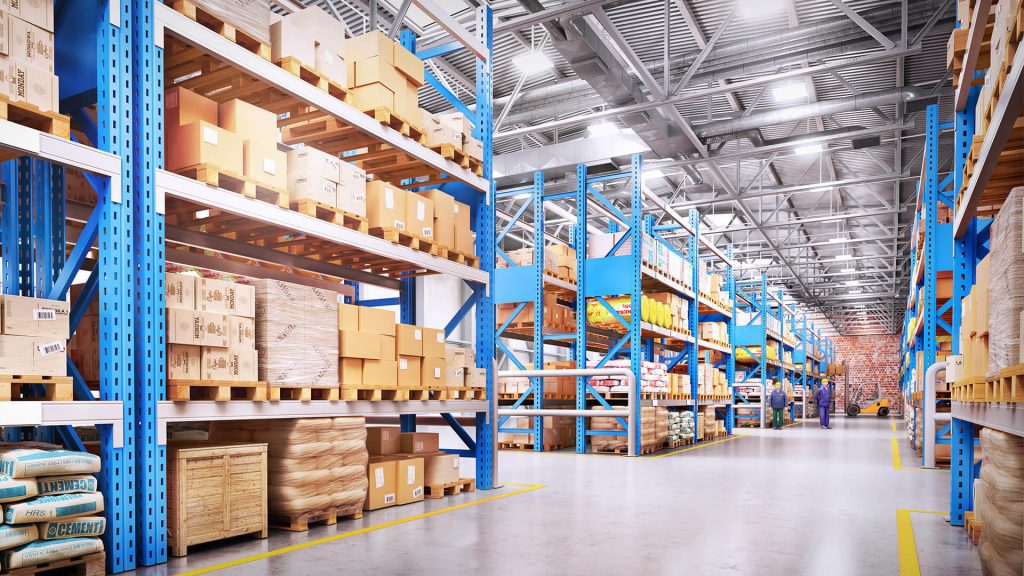
Warehousing & Distribution services allow businesses to store goods securely, break bulk, or prepare orders for onward delivery. This is particularly useful for companies importing goods for retail or multiple end customers.
For businesses looking to simplify the process further, Door to Door Import solutions can manage everything from collection at origin to final delivery in the UK.
Protecting Your Goods in Transit
International transport always carries a degree of risk. Damage, loss, or delays can occur despite careful planning.
Many businesses mistakenly assume their goods are fully covered by carrier liability. In reality, this cover is limited. Taking out Cargo Insurance ensures goods are protected for their full value, providing peace of mind throughout the import process.
For fragile or specialist cargo, professional Packing services can also reduce the risk of damage during handling and transit.
How a Freight Forwarder Adds Value
A freight forwarder acts as the link between suppliers, carriers, customs authorities, and delivery partners. Their role goes beyond booking transport.
By managing documentation, advising on compliance, and coordinating each stage of the journey, forwarders help businesses avoid costly mistakes and keep goods moving efficiently.
For businesses new to importing, our blog Freight Forwarding Myths: What Businesses Often Get Wrong About Shipping explains how forwarders support both experienced and first-time importers.
Final Thoughts
Importing goods into the UK does not have to be complicated, but it does require planning, accurate information, and the right support. Understanding the process and working with experienced partners can make international sourcing far more predictable and cost-effective.
At Supreme Freight, we support businesses with every stage of the import journey, from Customs Clearance and Sea Import to Warehousing & Distribution and Cargo Insurance. If you would like guidance on your next shipment please contact us so we can help you.