 | Register Now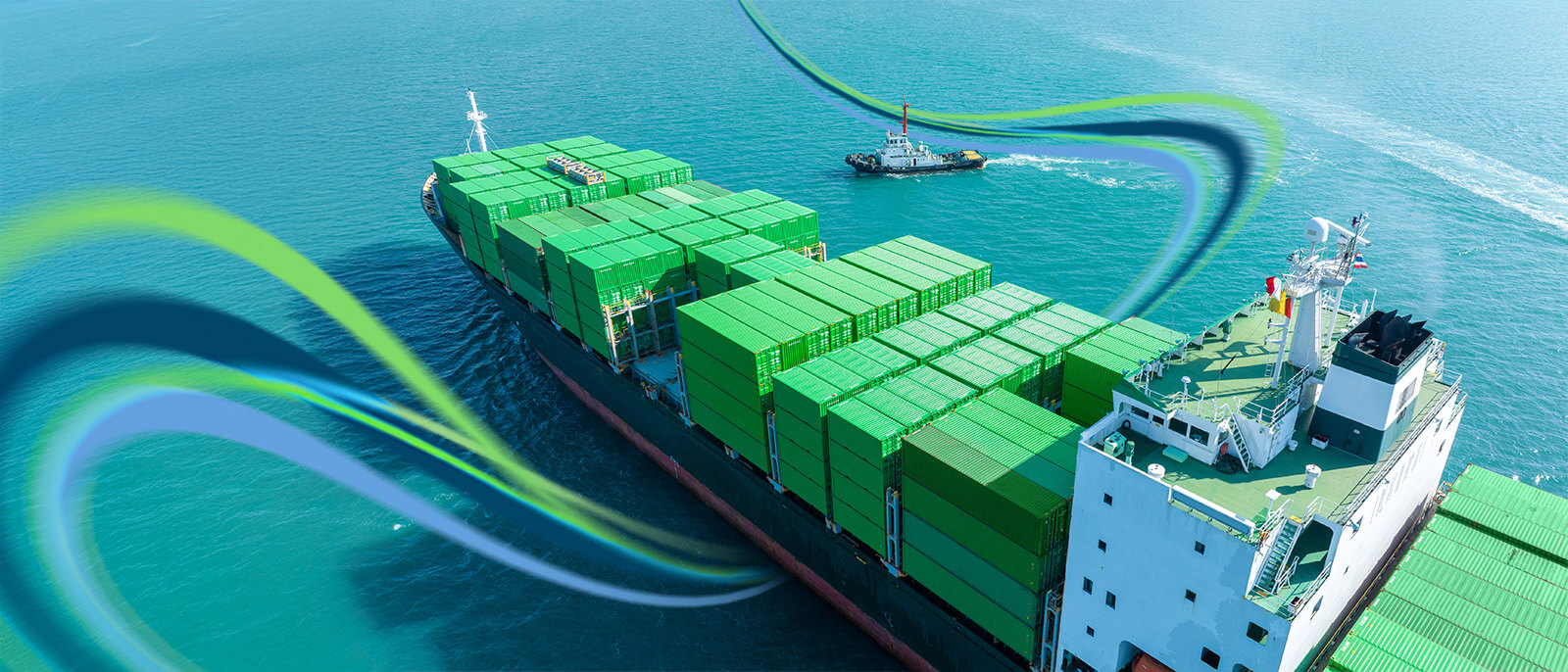
Sustainability now sits firmly on the agenda for businesses involved in global trade. Rising fuel costs, tighter regulations, and customer expectations have all pushed environmental performance to the forefront of logistics planning.
As we move towards 2026, green logistics is no longer a niche concept but a practical consideration for everyday freight decisions. This article explores how freight operations can reduce emissions and what businesses can do to support more sustainable supply chains.
What Does Green Logistics Mean in Practice?
Green logistics focuses on reducing the environmental impact of freight activity without compromising reliability or service quality. This includes cutting emissions, improving fuel efficiency, and reducing waste across the supply chain.
Rather than relying on a single solution, green logistics brings together better planning, smarter transport choices, and improved operational efficiency. For many businesses, this means reviewing how goods move from origin to destination and identifying where emissions can be reduced.

Transport Mode Choices Matter
One of the most effective ways to cut emissions is choosing the right transport method. Each freight mode carries a different environmental footprint.
Sea Freight remains one of the most efficient ways to move large volumes over long distances, producing fewer emissions per unit than air transport. Road Freight plays a critical role in domestic and European movements, while Air Freight is generally reserved for urgent or high-value shipments where speed outweighs environmental cost.
By combining modes intelligently, businesses can balance sustainability with operational needs.
The International Maritime Organization continues to drive initiatives aimed at reducing emissions across global shipping. https://www.imo.org
Route Planning and Load Optimisation
Reducing emissions is not just about transport mode. How shipments are planned also makes a significant difference.
Better route planning helps avoid congestion, reduce idle time, and minimise unnecessary mileage. Load optimisation ensures vehicles and containers operate closer to capacity, reducing the number of journeys required.
Freight forwarders increasingly use digital tools to analyse routes and consolidate shipments, improving efficiency across Road Freight and Sea Freight operations.
The Role of Warehousing in Sustainable Logistics
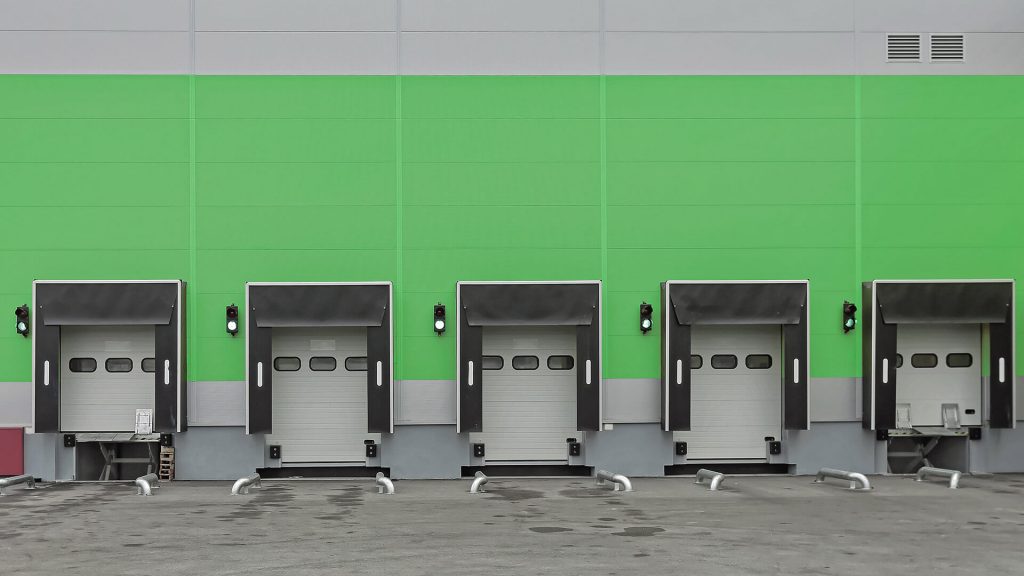
Warehousing plays a growing role in reducing the environmental impact of freight. Strategic use of Warehousing & Distribution allows businesses to position stock closer to customers, reducing long-distance transport and last-mile emissions.
Efficient warehouses also support better inventory control, which reduces waste and unnecessary movement of goods. For businesses with fluctuating demand, this approach improves both sustainability and service levels.
Our blog Freight Market Forecast: What to Expect for the Second Half of 2025 explores how storage capacity and distribution planning are becoming more important as freight markets remain volatile and capacity fluctuates.
Compliance and Environmental Reporting
Sustainability increasingly links to compliance. Many businesses now track emissions as part of wider reporting requirements or customer expectations.
Accurate documentation, including transport data and shipment records, supports transparency across the supply chain. Services such as Customs Clearance also play a role, ensuring goods move efficiently across borders without unnecessary delays that increase emissions.
Guidance from the UK Government highlights how environmental reporting continues to grow in importance for businesses involved in international trade. https://www.gov.uk/guidance/environmental-reporting-guidance
Small Changes Add Up
Green logistics does not always require major operational overhauls. Small changes, applied consistently, often deliver meaningful results.
These include reviewing shipment frequency, consolidating loads, selecting efficient carriers, and avoiding last-minute transport decisions. Over time, these adjustments reduce fuel use, emissions, and costs.
Businesses that embed sustainability into everyday freight planning often find it improves resilience as well as environmental performance.
Final Thoughts
Green logistics is no longer about long-term ambition. It is about practical steps businesses can take today to reduce emissions while maintaining reliable supply chains.
At Supreme Freight, we support businesses with Sea Freight, Air Freight, Road Freight, Customs Clearance, and Warehousing & Distribution services. If you would like guidance on your next shipment please contact us so we can help you.