 | Register Now

Since Brexit, businesses trading between the UK and European Union have had to adapt to new border procedures, additional documentation and changing customs requirements.
For many importers and exporters, these changes have made international freight more complicated, particularly when moving food, plants and agricultural products.
However, there is now some positive news on the horizon.
On 20 November 2026, the UK and EU announced a new agreement designed to simplify trade in certain regulated goods. Although the changes will not happen immediately, they could eventually reduce paperwork, remove many routine border checks and make cross-border movements more straightforward.
For UK businesses, the important question is what will actually change and how they can prepare.
A New Agreement Could Make UK–EU Trade Easier
The new UK–EU Sanitary and Phytosanitary (SPS) Agreement aims to reduce some of the barriers affecting trade in food, agricultural goods, animals and plants.
SPS rules cover areas such as food safety, animal health and plant health. Since Brexit, businesses moving affected products between Great Britain and the EU have faced additional certification, notification and inspection requirements.
Under the agreement, the UK and EU will align rules in the areas covered, allowing many goods to move with fewer routine checks and less administration.
The UK Government's November 2026 SPS announcement confirms that the agreement is expected to apply from 1 March 2028, subject to the necessary UK and EU procedures.
This is an encouraging development for businesses that regularly move affected goods between the two markets.
Which Goods Could Benefit From the Changes?
The agreement is particularly relevant to businesses importing and exporting food, agricultural products, plants and certain animal products.
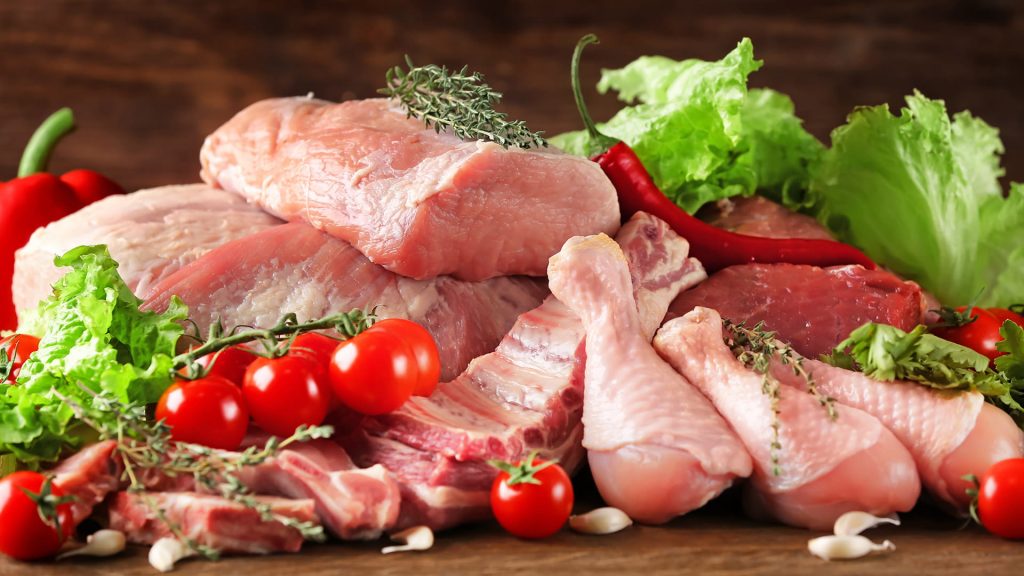
This includes areas such as fresh produce, meat, dairy products, fish and other goods that currently require additional health or plant-related documentation when crossing the border.
For businesses working with perishable goods, reducing unnecessary administration could be especially valuable. Products with limited shelf lives depend on predictable transport schedules and efficient border processes.
The Food Standards Agency's explanation of the agreement highlights the potential benefits for food businesses, while noting that companies may also need to adapt to aligned product standards.
However, the changes will not apply equally to every product. Businesses will still need to check the requirements for their particular goods.
Could Border Checks and Paperwork Be Reduced?
pre-notification and border inspections for eligible goods moving between Great Britain and the EU.
This could make a meaningful difference for businesses that regularly transport regulated products across the Channel.
Fewer routine checks may help reduce administrative costs, improve planning and make delivery schedules more predictable. For companies working with temperature-sensitive products, greater consistency could be particularly beneficial.
However, the agreement does not mean that all border inspections will disappear. Risk-based checks, disease-related controls and other specific requirements may still apply.
The positive change is the potential to make routine movements more straightforward without removing important safety protections.
Customs Requirements Will Still Matter
Although the agreement could simplify some aspects of UK–EU trade, it is important to understand what it does not change.
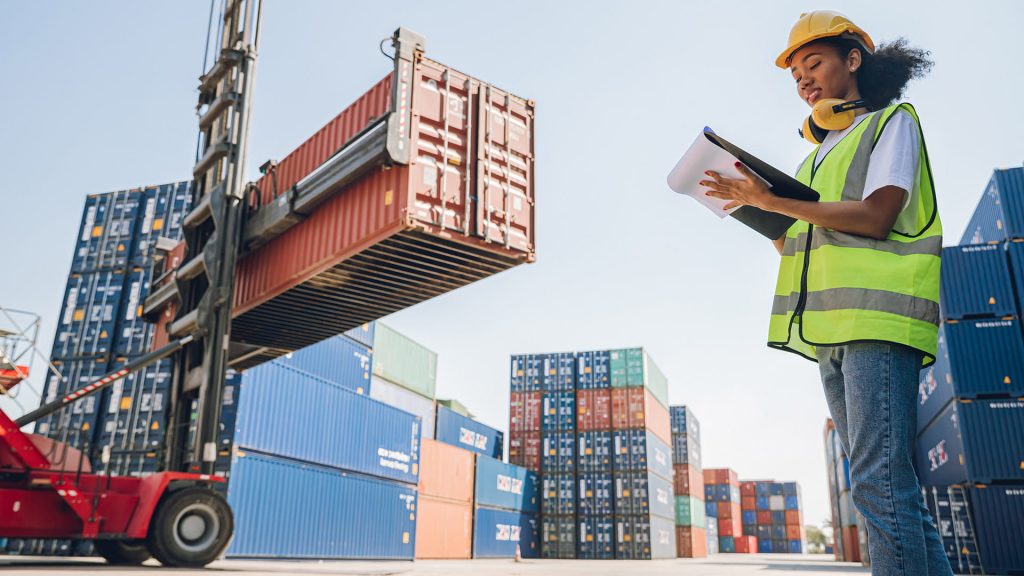
Businesses will still need to comply with the relevant customs requirements. Import and export declarations, commodity codes, duties, VAT and other applicable procedures remain separate from SPS controls.
This means accurate import documentation, export documentation and customs clearance will continue to play an important role in international shipping.
Businesses importing affected goods from countries outside the EU should also pay attention. Aligning Great Britain's SPS rules with those of the EU may introduce different or additional requirements for some non-EU imports.
For companies reviewing their existing procedures, our guide to importing goods into the UK provides useful background on the documentation, declarations and planning involved.
What Could This Mean for Freight Planning?
For importers and exporters, simpler border procedures could create opportunities for more efficient freight movements.
Businesses using road import and road export services between the UK and mainland Europe may particularly benefit from more predictable arrangements for eligible goods.
However, successful freight planning still involves much more than crossing the border.
Suppliers need to prepare goods correctly, transport needs to be arranged, paperwork must be accurate and delivery schedules need to account for handling requirements. For businesses transporting foodstuffs, temperature control, product condition and delivery timing remain essential.
These practical considerations are explored further in our article on why food imports need more careful freight and customs planning, particularly when dealing with sensitive or regulated products.
Even if some border procedures become simpler, effective coordination will still be necessary to keep goods moving reliably.
When Will the Changes Actually Happen?
The agreement is expected to apply from 1 March 2028, subject to the required UK and EU procedures.
Until then, businesses must continue following the existing rules and border processes. The new agreement does not remove current obligations ahead of its implementation.
There will also be changes to some of the digital systems used for regulated goods. The Government has indicated that the EU's TRACES platform will play a greater role in certain processes, although detailed arrangements are still being developed.
Importantly, businesses have been advised not to register for TRACES specifically for the new arrangements until further instructions are published.
The Government's guidance on digital systems for trading SPS goods explains that further information will be provided during 2027, giving businesses time to prepare.
How Can Importers and Exporters Prepare?
Although implementation is still some time away, businesses can begin reviewing how the proposed changes may affect their operations.
A sensible starting point is understanding which products are covered and whether current supply arrangements could be affected. Companies should also maintain accurate commodity information, check supplier documentation and monitor official guidance as more details become available.
For some businesses, the agreement may present an opportunity to reconsider delivery schedules, supplier relationships or future trading plans.
Others may need to review product standards, labelling or certification arrangements to ensure they are ready when the new rules take effect.
The most important thing is to prepare gradually rather than assuming that all existing requirements will automatically disappear.
A Positive Direction for International Trade
International freight has faced considerable uncertainty in recent years, from changing regulations to global shipping disruption.
Against that backdrop, the prospect of simpler UK–EU trading arrangements is a positive development.
While the agreement is focused on specific sectors rather than all international goods, it demonstrates how cooperation and improved border procedures could help businesses trade more efficiently.
For importers and exporters, greater clarity around future requirements may also make it easier to plan investment, manage supply chains and explore new commercial opportunities.
Final Thoughts
The new UK–EU SPS Agreement could make international trade simpler for businesses moving certain food, agricultural and plant-related goods between Great Britain and the EU.
By reducing routine paperwork and border checks, the changes have the potential to support more efficient freight movements and better delivery planning.
However, customs requirements will remain, and businesses will need to understand the specific rules affecting their goods before the agreement takes effect in March 2028.
For UK importers and exporters, staying informed and preparing early will be the best way to benefit from these changes.
At Supreme Freight, we support businesses with Sea Freight, Air Freight, Road Freight, Customs Clearance, and Warehousing & Distribution services. If you would like guidance on your next shipment please contact us so we can help you.