 | Register Now
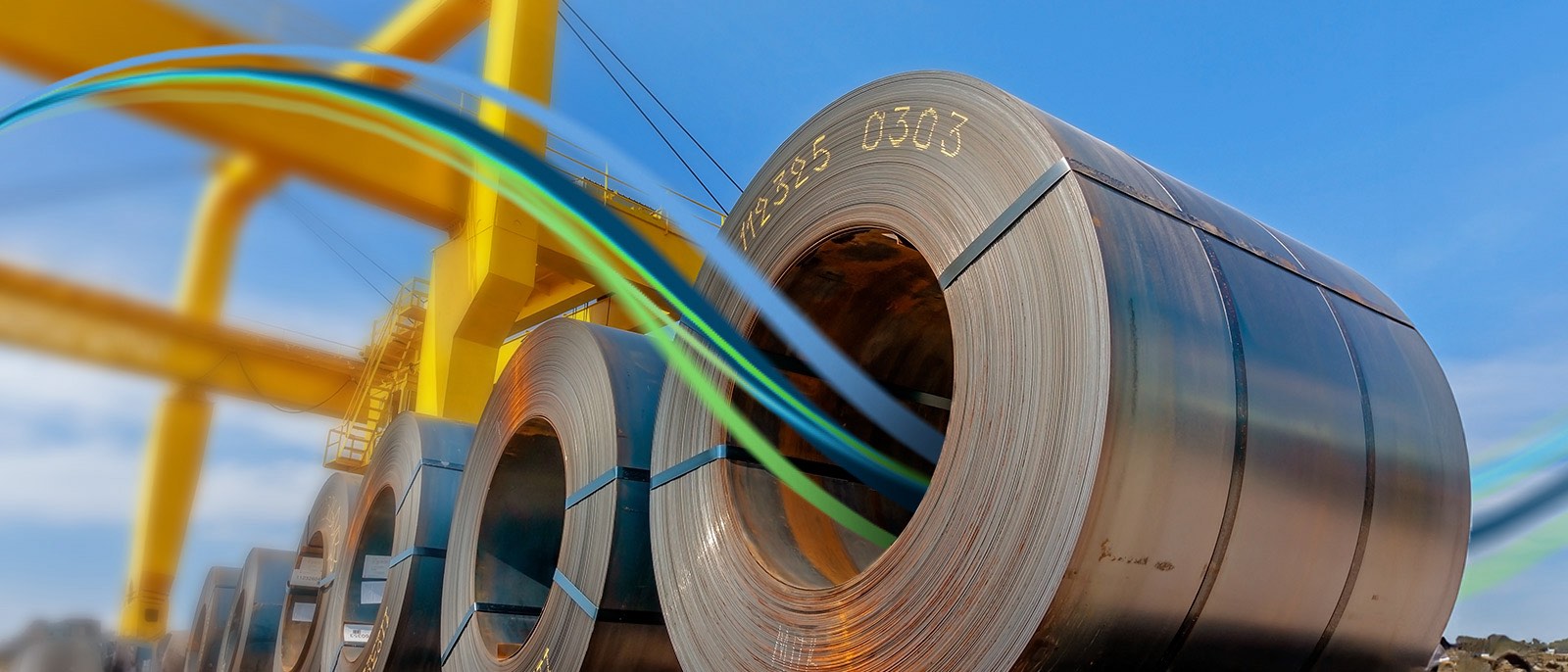
UK CBAM starts in January 2027. Discover which imports are affected, what records businesses need and how to prepare for the new carbon tax rules.
In simple terms, CBAM (Carbon Border Adjustment Mechanism) is a new government scheme designed to put a carbon cost on certain imported goods, so overseas manufacturers face a similar carbon cost to UK producers. The UK version comes into effect on 1 January 2027 and initially applies to imports of aluminium, cement, fertiliser, hydrogen, iron and steel products
Imports Ready for CBAM?
From 1 January 2027, the UK's Carbon Border Adjustment Mechanism (CBAM) will come into effect, introducing new reporting and tax requirements for certain carbon-intensive goods imported into the UK. The scheme will initially apply to products including iron and steel, aluminium, cement, fertilisers, and hydrogen.
What Does This Mean for Importers?
If your business imports goods within the affected sectors, it's important to start understanding how these changes may impact your supply chain. Businesses may need to keep additional records and comply with new reporting requirements. Prepare for the Carbon Border Adjustment Mechanism (CBAM), Factsheet: Carbon border adjustment mechanism.
Which Goods and Shipments Should Businesses Check?
Although CBAM applies to several major industrial sectors, not every product within those sectors will automatically fall under the new tax.
HMRC has published guidance on which goods are affected by CBAM, identifying products covered by the scheme through their commodity codes. Importers should therefore review the products they bring into the UK and check whether their existing classifications fall within the new requirements.
It is also important to understand who is legally responsible for the import and whether sufficient information is available from overseas suppliers.
Accurate import documentation and customs clearance preparation will continue to be important, particularly where businesses need to demonstrate what goods they are importing and maintain consistent shipment records.
For businesses reviewing their existing processes, our guide to importing goods into the UK also provides useful information on documentation, customs requirements and import planning. Check which goods are in scope of Carbon Border Adjustment Mechanism (CBAM).
How Can Importers Prepare for January 2027?
The most useful step businesses can take now is to review their affected imports and establish how the new record-keeping requirements will fit into their existing processes.
According to the latest HMRC guidance on CBAM record keeping, importers of affected goods will need to retain relevant records from 1 January 2027. This applies even where a business does not meet the threshold for registering for the tax.
The UK CBAM registration threshold is £50,000 of relevant imported goods, assessed under HMRC's applicable tests. Registration opens on 1 January 2028, with the first CBAM return and payment for 2027 due by 31 May 2028. Work out the date you’ll need to register for Carbon Border Adjustment Mechanism (CBAM), Prepare for the Carbon Border Adjustment Mechanism (CBAM).
Businesses should consider discussing emissions information with their overseas suppliers, checking relevant commodity codes and ensuring commercial documents are readily available.
Preparing early could help reduce last-minute administrative pressure and give importers a clearer understanding of how CBAM may affect future costs and purchasing decisions.
How Supreme Freight Can Help
As regulations continue to develop, our team is keeping a close eye on CBAM requirements and their impact on international trade.
We're here to help keep your shipments moving smoothly and provide guidance as further information becomes available.
If you'd like to discuss your imports or understand how CBAM could affect your business, we'd be happy to help.
Get in touch with the Supreme Freight team today.