 | Register Now
Freight forwarding has always depended on people who can solve problems quickly. Delayed vessels, missing documents, customs queries, port congestion and urgent delivery requests all require experience, communication and good judgement.
But the way freight is managed is changing. Artificial intelligence, robotics and automation are starting to play a bigger role in how goods are tracked, documents are checked, warehouses operate and shipping decisions are made.
For importers and exporters, this does not mean freight is becoming less human. In many ways, it means the opposite. Technology can support faster information, better visibility and fewer repetitive errors, but experienced freight teams are still needed to interpret the situation, make decisions and keep goods moving.
For businesses still getting to grips with the wider role of a forwarder, Supreme Freight’s guide to freight forwarding is a useful starting point.
AI Is Helping Freight Teams Make Faster Decisions
One of the biggest opportunities for AI in freight is the ability to process information quickly.
International shipping creates a huge amount of data. Vessel schedules, port updates, customs information, delivery instructions, commercial documents, route options and customer requirements all need to be managed carefully.
AI can help identify patterns, flag risks and support planning. For example, it may help freight teams spot repeated delays on a route, predict when a shipment could miss a connection or highlight where information is missing from paperwork.
This can be particularly useful for businesses using sea import, sea export, air import or air export services, where timing and documentation both matter. A faster warning can give importers and exporters more time to respond before a delay becomes a bigger problem.
It also sits alongside wider freight industry trends that are changing how businesses plan imports, exports and supply chain resilience.
The UK Government’s AI Opportunities Action Plan also shows how artificial intelligence is becoming a bigger part of national business and productivity planning.
Robots Are Already Changing Warehousing
Robotics is often associated with futuristic images of machines replacing people, but in logistics the reality is usually more practical.
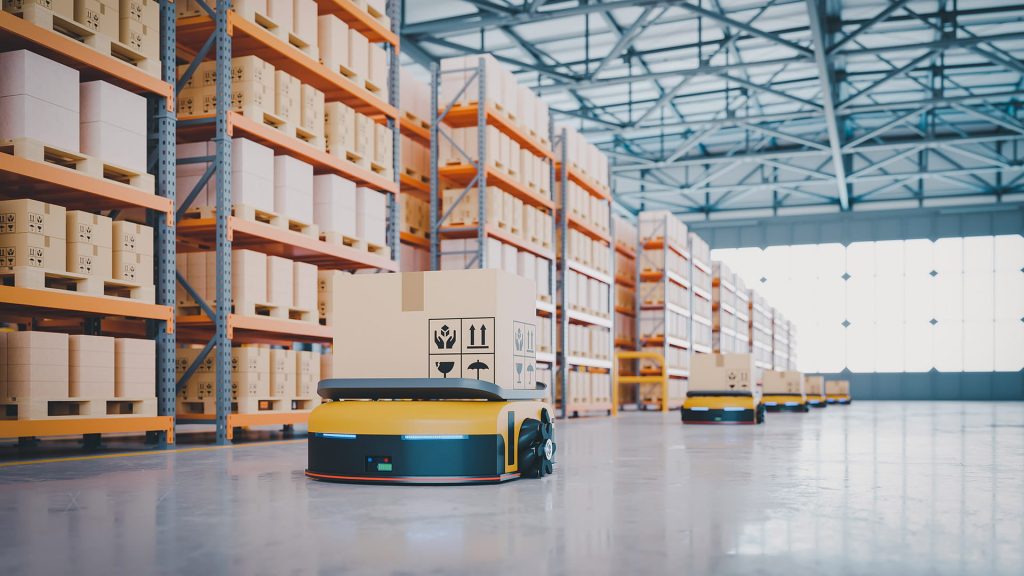
Robots and automated systems can help move goods, scan stock, sort parcels, support picking and improve warehouse accuracy. In busy fulfilment or distribution environments, automation can reduce repetitive manual tasks and help teams handle higher volumes more consistently.
This has clear implications for warehousing and distribution. If goods arrive from overseas and need to be stored, sorted, picked or moved onwards, automation can help improve speed and visibility.
However, robots are only useful when the wider process is well managed. Goods still need accurate shipment data, clear delivery instructions, correct labelling and suitable handling information. Technology can support the process, but it cannot fix poor planning on its own.
Customs and Documentation Could Become Smarter
Freight delays are not always caused by bad weather or port congestion. Sometimes, the problem is a missing code, an incorrect value, an unclear goods description or a document that does not match the shipment.
This is where AI could become especially useful.
In future, smarter systems may help identify errors in import documentation and export documentation before goods move. They may also support classification checks, data validation and document comparison.
For UK importers, this could work alongside customs clearance by helping businesses prepare more accurate information earlier. For exporters, it could reduce the risk of goods being delayed because paperwork is incomplete or inconsistent.
Human oversight will still be essential. Customs requirements can be complex, and not every issue can be solved by software. But better tools could help reduce avoidable mistakes and make the process smoother.
Automation Can Improve Visibility Across the Journey
One of the most frustrating parts of freight is uncertainty. Businesses want to know where their goods are, whether they are on schedule and what might affect delivery.
AI and automation can help improve shipment visibility by drawing together information from carriers, ports, customs systems and transport providers. Instead of relying only on manual updates, freight teams may be able to receive earlier alerts when something changes.
This could be valuable for door-to-door import and door-to-door export movements, where several stages need to connect properly. A shipment may involve supplier collection, international transport, customs clearance, inland haulage and final delivery. If one stage changes, the rest of the plan may need to be adjusted.
Better visibility does not remove disruption, but it can make businesses better prepared.
AI Will Not Replace Freight Knowledge
While AI can support freight forwarding, it is unlikely to replace the human expertise behind it.
Freight decisions often involve judgement. Is it worth switching from sea freight to air freight? Should a shipment be held until documents are corrected? Is a cheaper routing still reliable enough? What happens if goods miss a planned sailing?
These are not just data questions. They involve cost, timing, risk, customer expectations and practical experience.
This is why AI should be seen as a tool rather than a replacement. It can help freight teams work more efficiently, but the best results will still come from people who understand the full shipping process.
Where Importers and Exporters May Notice the Difference
For businesses, the benefits of AI and robotics may not always be obvious at first. They may appear through quicker updates, fewer manual errors, better stock visibility, improved warehouse handling and more accurate planning.
Importers may benefit from faster communication around vessel delays, port congestion or customs preparation. Exporters may benefit from better document checks, clearer scheduling and improved coordination between collection, packing, transport and delivery.
Businesses moving urgent goods may also find that technology helps compare options more quickly. Air import, air export, road import and road export services all depend on timing, so better information can support better decisions.
Technology Can Also Support Greener Freight
Automation and AI are not only about speed. They may also support more efficient route planning, better stock movement and smarter use of warehouse space.
In the long term, this could help businesses reduce wasted journeys, improve load planning and make better decisions around freight modes. These improvements connect naturally with the wider shift towards green logistics, where efficiency, fuel use and emissions are becoming part of the same conversation.
Technology alone will not make freight sustainable, but it can give businesses clearer information and better control over the choices they make.
The Risks of Relying Too Heavily on Technology
Technology brings real benefits, but it also has limits.
AI systems depend on the quality of the information they receive. If shipment details are incomplete, if documents are wrong or if data is outdated, the recommendations may not be reliable.
There is also a risk that businesses assume technology makes freight simple. It does not. International shipping still involves customs rules, carrier capacity, weather disruption, port delays, documentation requirements and commercial risk.
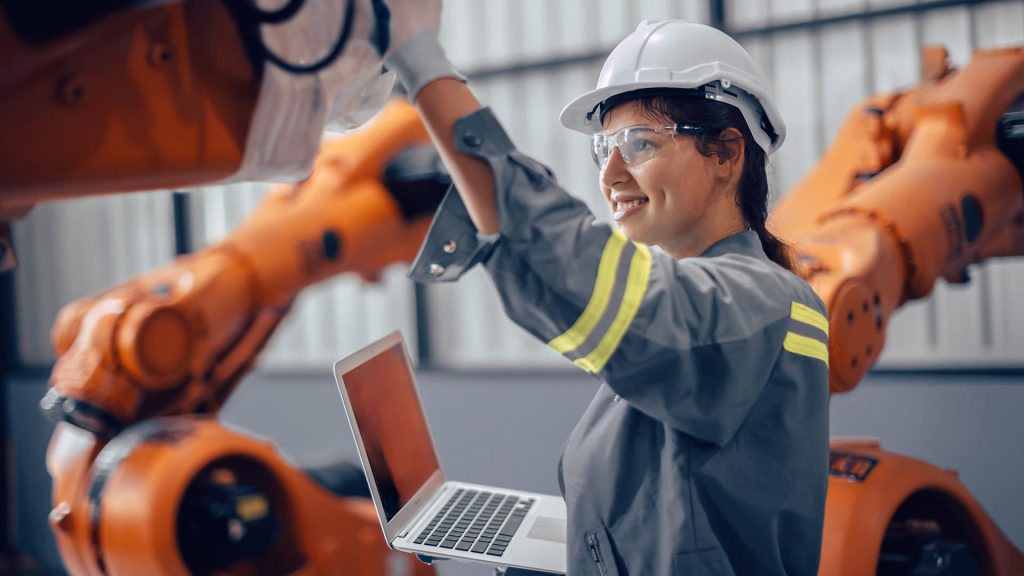
The strongest approach is to combine better digital tools with experienced freight support. That way, businesses get the advantage of faster information without losing the value of human judgement.
A More Efficient Future for Freight
The positive side of AI and robotics is that they could make freight more efficient, more transparent and less reactive.
If delays can be flagged earlier, documents checked sooner and warehouse operations made more accurate, businesses may be able to reduce avoidable disruption. Freight teams may also have more time to focus on problem-solving rather than repetitive administration.
This is not about removing the personal side of freight forwarding. It is about giving people better tools to manage increasingly complex supply chains.
The UK Government’s Future of Freight Plan highlights the importance of a more efficient, resilient and technology-enabled freight sector.
Final Thoughts
Robots and AI are changing freight forwarding, but not by removing the need for experienced people. Their real value is in helping freight teams work faster, spot risks earlier and manage information more effectively.
For importers and exporters, the future of freight is likely to be a combination of digital tools, automation and human expertise. Businesses that understand this balance will be better placed to manage costs, avoid delays and keep goods moving reliably.
At Supreme Freight, we support businesses with Sea Freight, Air Freight, Road Freight, Customs Clearance, and Warehousing & Distribution services. If you would like guidance on your next shipment please contact us so we can help you.