 | Register Now
When goods arrive at port, it is easy to assume clearance will happen quickly once the containers are unloaded. In reality, some shipments are released almost immediately, while others take longer to process.
This difference is rarely random. Clearance times are influenced by paperwork accuracy, cargo type, customs checks, and how well the shipment was prepared before it even left the supplier.
Understanding these factors helps explain why some containers move through the system faster than others.
Documentation Accuracy Makes the Biggest Difference
One of the main reasons containers are delayed is incorrect or incomplete paperwork. Customs authorities rely entirely on the information provided in declarations, invoices, and supporting documents.
Errors in import documentation can result in queries or inspections, even when the goods themselves are straightforward. Ensuring paperwork is correct before arrival makes the customs clearance process far more efficient.
As discussed in The Hidden Costs of Freight Delays and How to Protect Your Business, many delays occur because shipments are not fully prepared before they reach the UK.
HMRC guidance also confirms that incorrect declarations are a common cause of delays:

Commodity Codes and Cargo Description
The way goods are classified also affects how quickly they are cleared. Different commodity codes may require additional checks, licences, or duty calculations.
If the description does not match the declared code, customs may need to review the shipment more closely. This is one reason why experienced preparation before shipping is important, particularly for regulated or high-value goods.
Correct classification often allows containers to pass through without additional checks.
Preparation Before the Shipment Leaves
Clearance speed is often decided long before the container arrives in the UK. Late paperwork, missing information, or incorrect booking details can all slow the process down.
Planning shipments properly using door-to-door import services helps ensure declarations and documents are ready before the vessel arrives.
Preparation is one of the key factors affecting overall transit performance, something also highlighted in Freight Industry Trends for 2026: What Businesses Need to Prepare For.
Container and Cargo Handling After Arrival
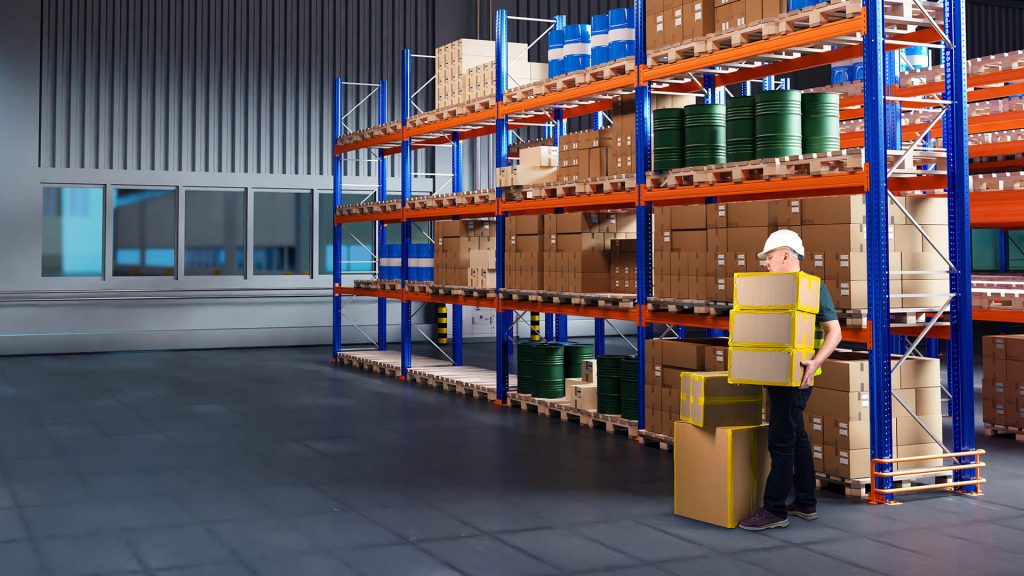
Even after clearance, the way a container is handled can affect delivery time. Delays sometimes occur when goods need to be unloaded, stored, or redistributed before final delivery.
Using services such as container devanning and warehousing and distribution allows cargo to be processed efficiently once it reaches the UK, helping avoid unnecessary waiting time at the port.
Efficient handling at this stage often makes the overall delivery much faster.
Customs Checks and Random Inspections
Not every delay is caused by a mistake. Customs authorities sometimes carry out inspections as part of routine checks or risk assessments.
These checks are a normal part of international trade, and organisations such as the World Customs Organization explain that inspections help maintain security and compliance across global supply chains:
While inspections cannot always be avoided, correct paperwork and preparation reduce the likelihood of additional scrutiny.
Final Thoughts
Some containers are cleared faster than others because they are prepared more thoroughly before they arrive. Accurate documentation, correct classification, and proper planning all help shipments move through customs more smoothly.
By understanding what affects clearance times, businesses can reduce delays and keep goods moving efficiently from port to final delivery.
At Supreme Freight, we support businesses with Sea Freight, Air Freight, Road Freight, Customs Clearance, and Warehousing & Distribution services. If you would like guidance on your next shipment please contact us so we can help you.